-
 text 1
-
 text 2
-
 text 3
-
 text 2


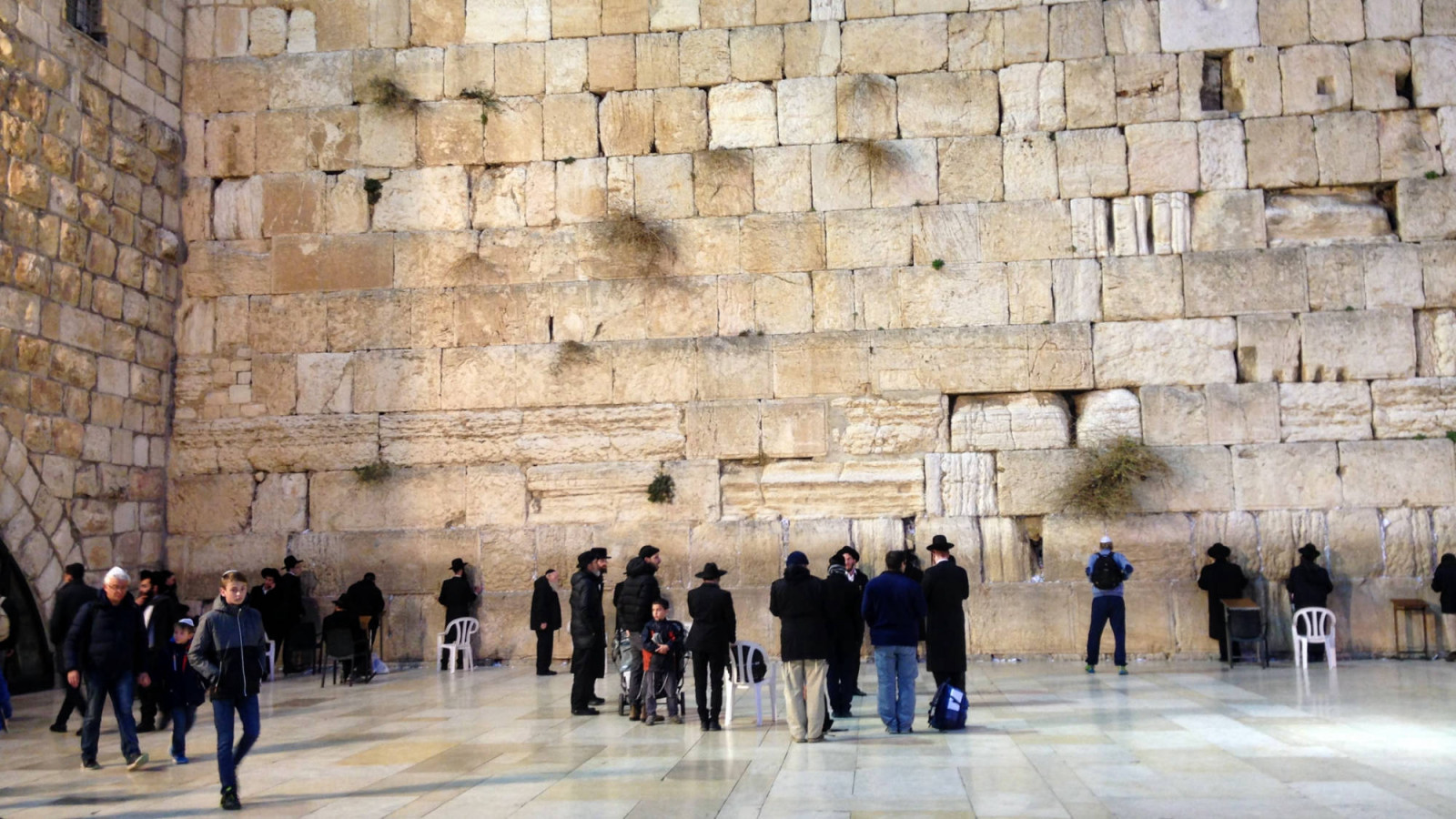
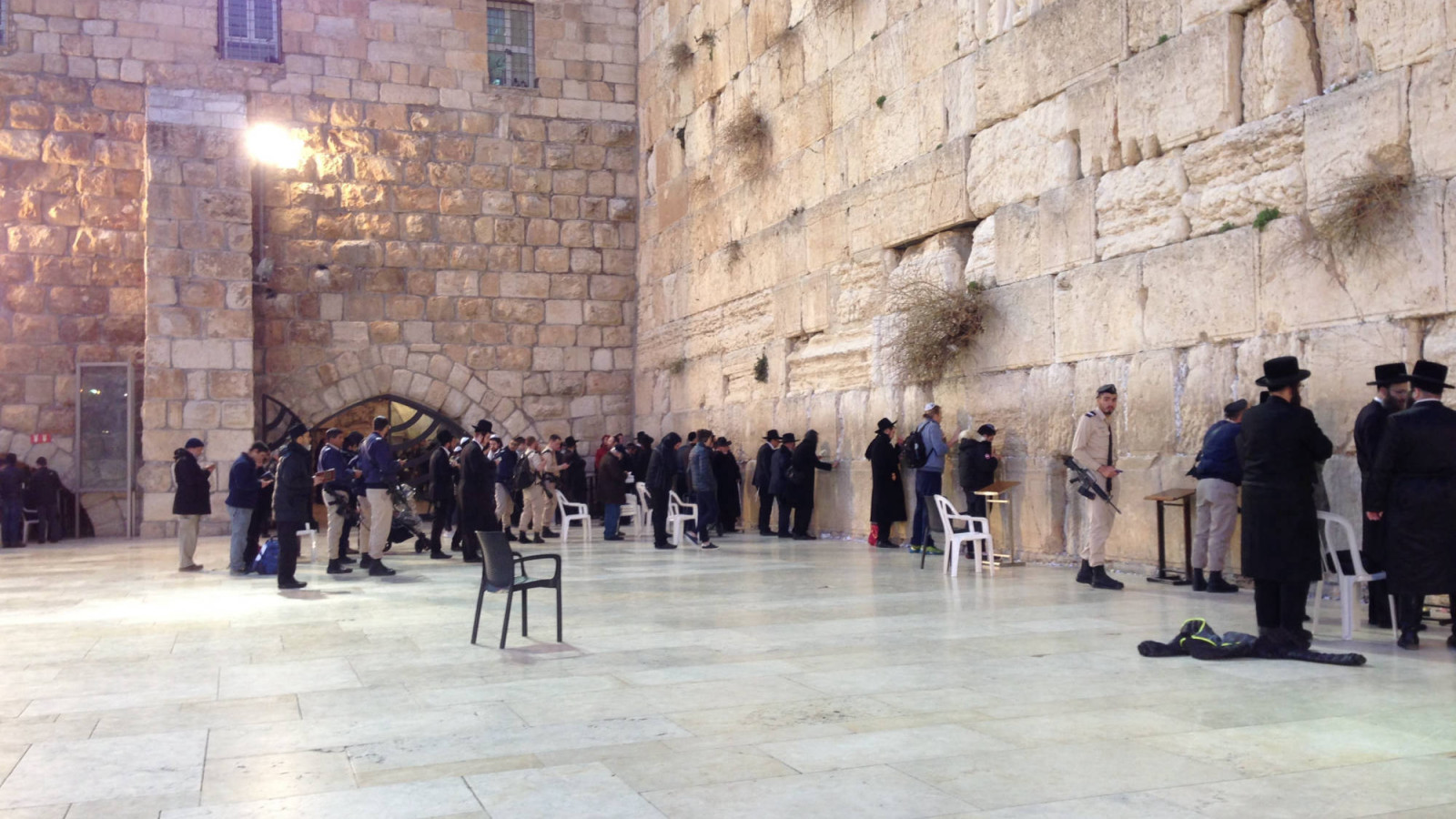
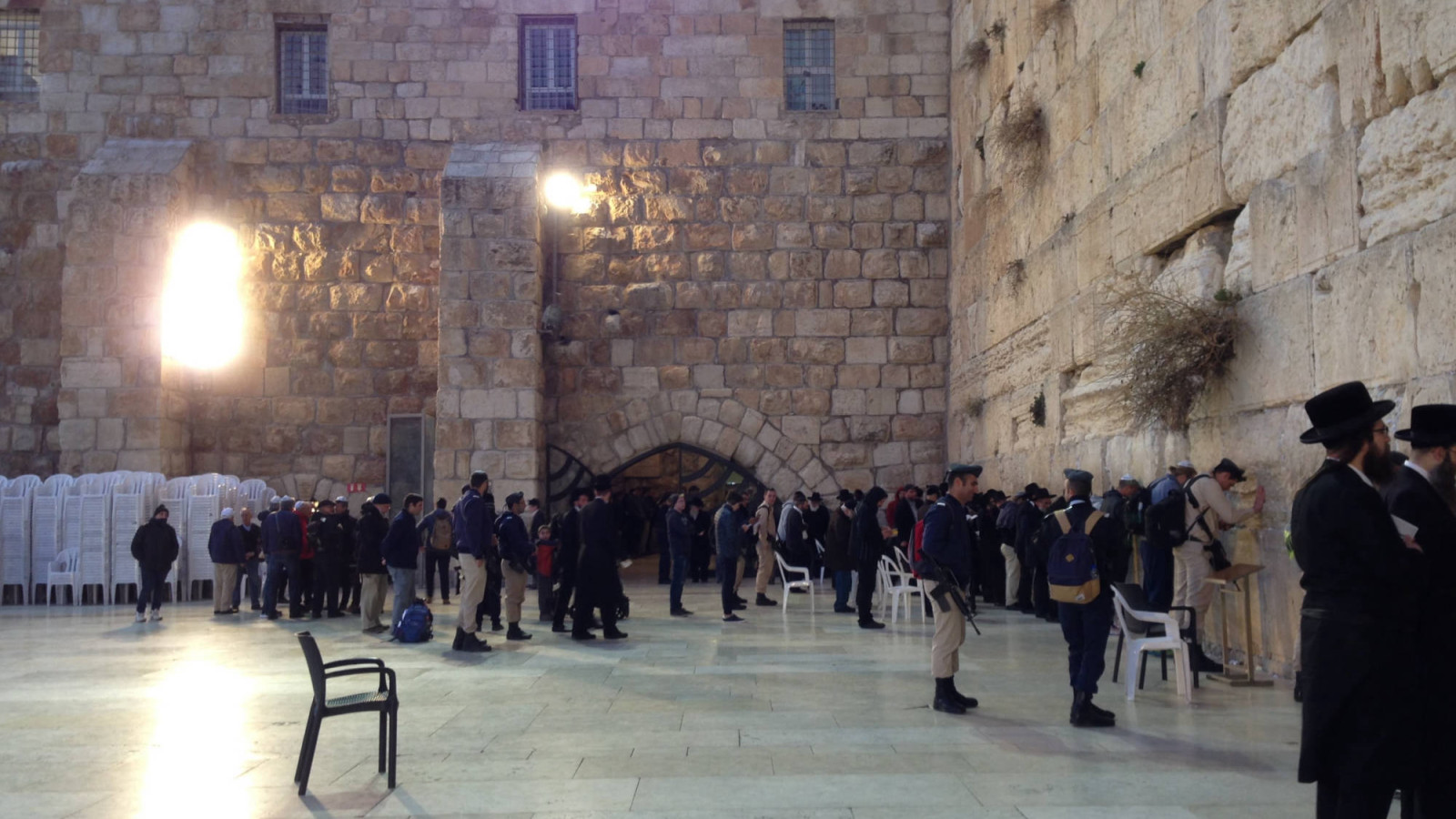
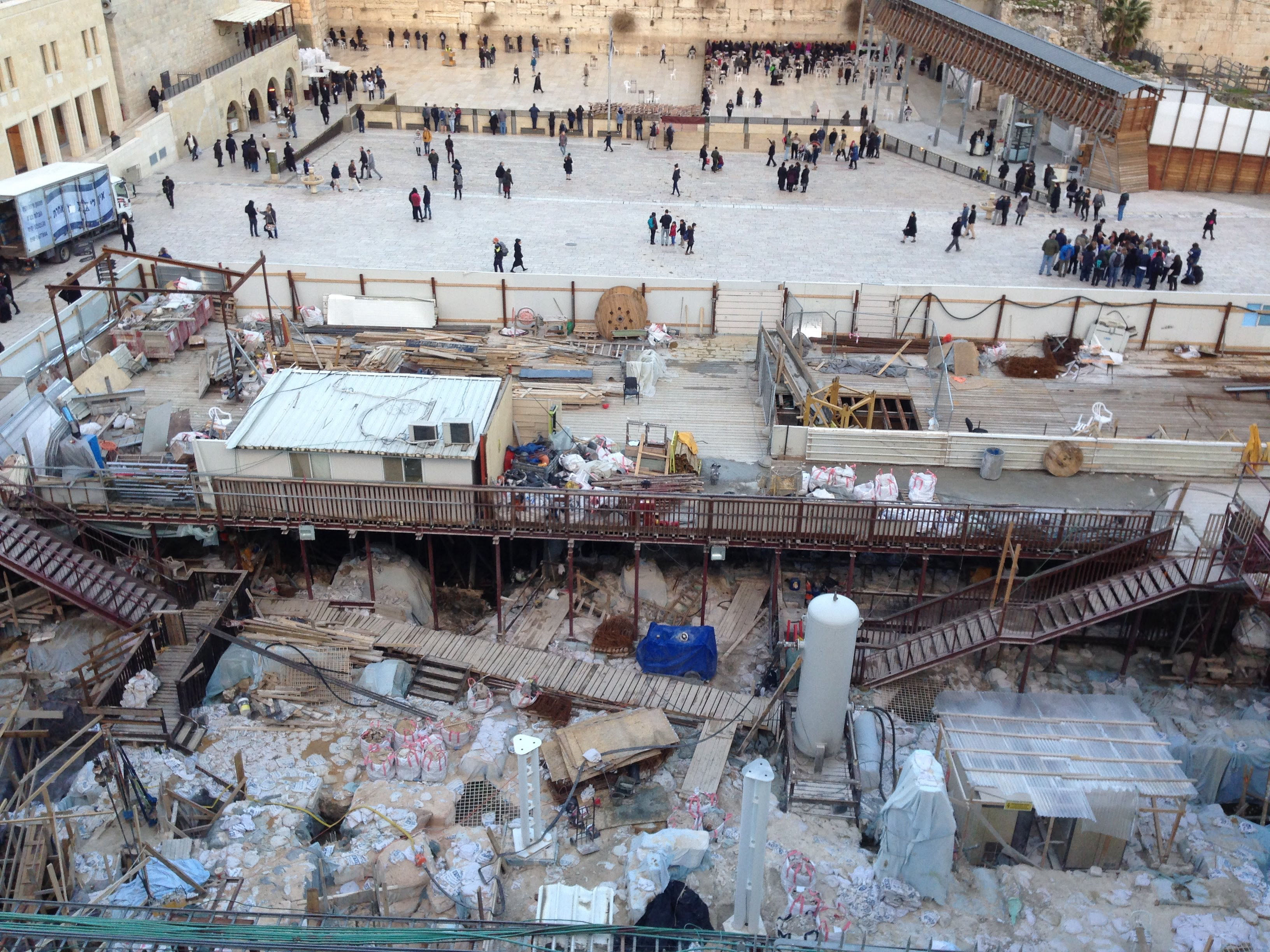
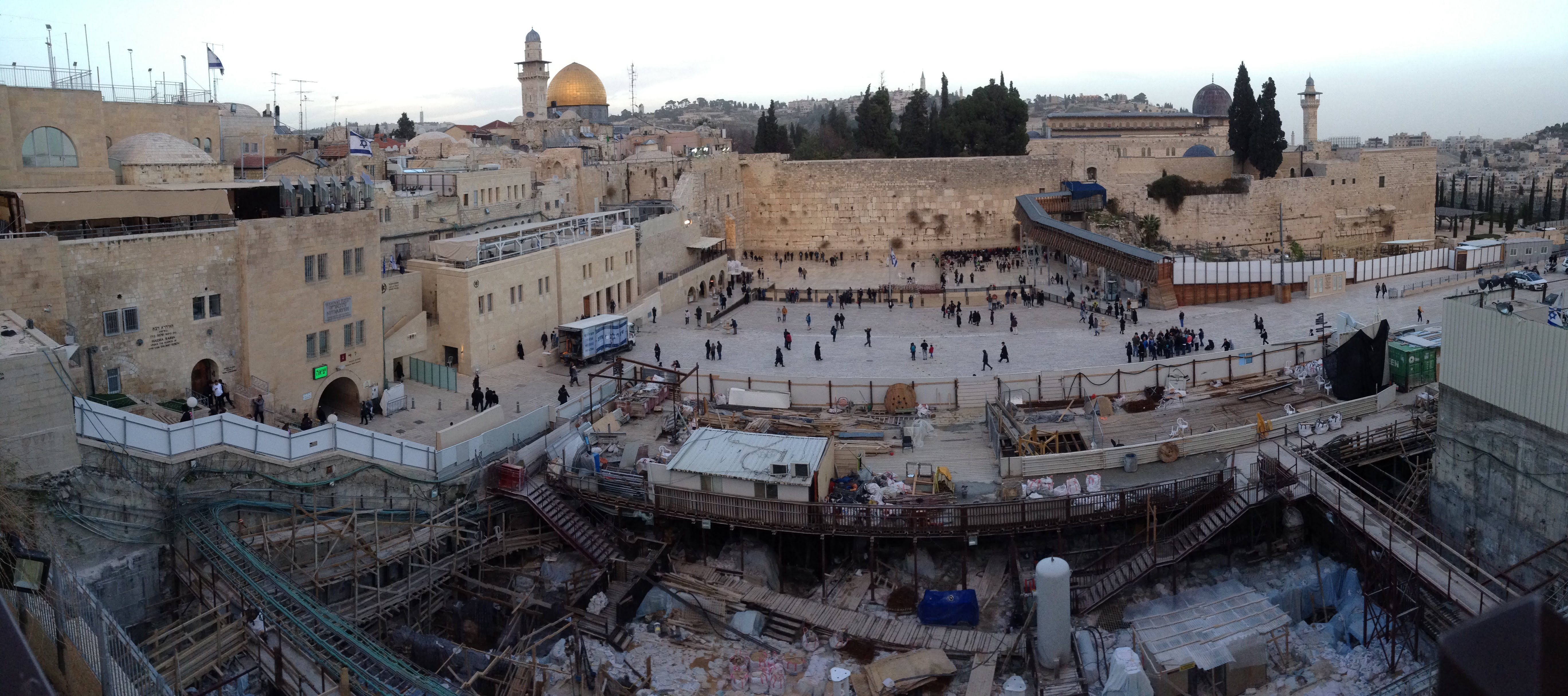
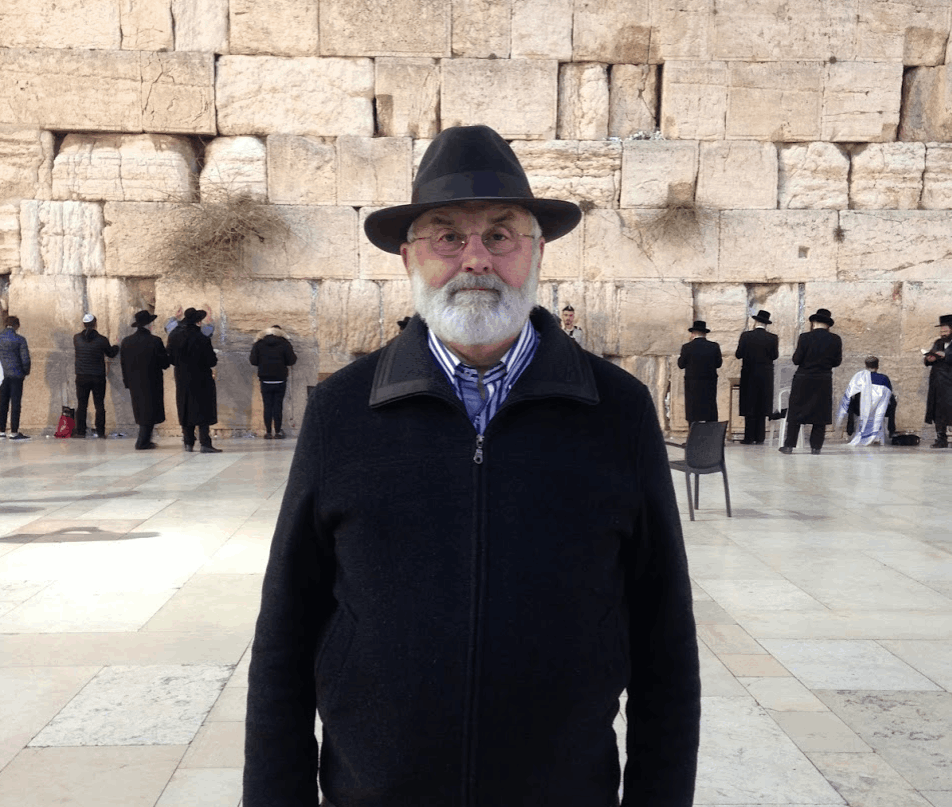
The Western Wall, also known as the Kotel, is the most sacred of locations in Jerusalem and for Jews. The site is the closest to where the Temple once stood until 70 AD. The actual Temple site was situated just to the other side of this wall and a little to the north. The Kotel is therefore the closest space to the ancient Temple. The presence of God, according to the Old Testament, resided in the Temple within an inner chamber called the "Holy of Holies".
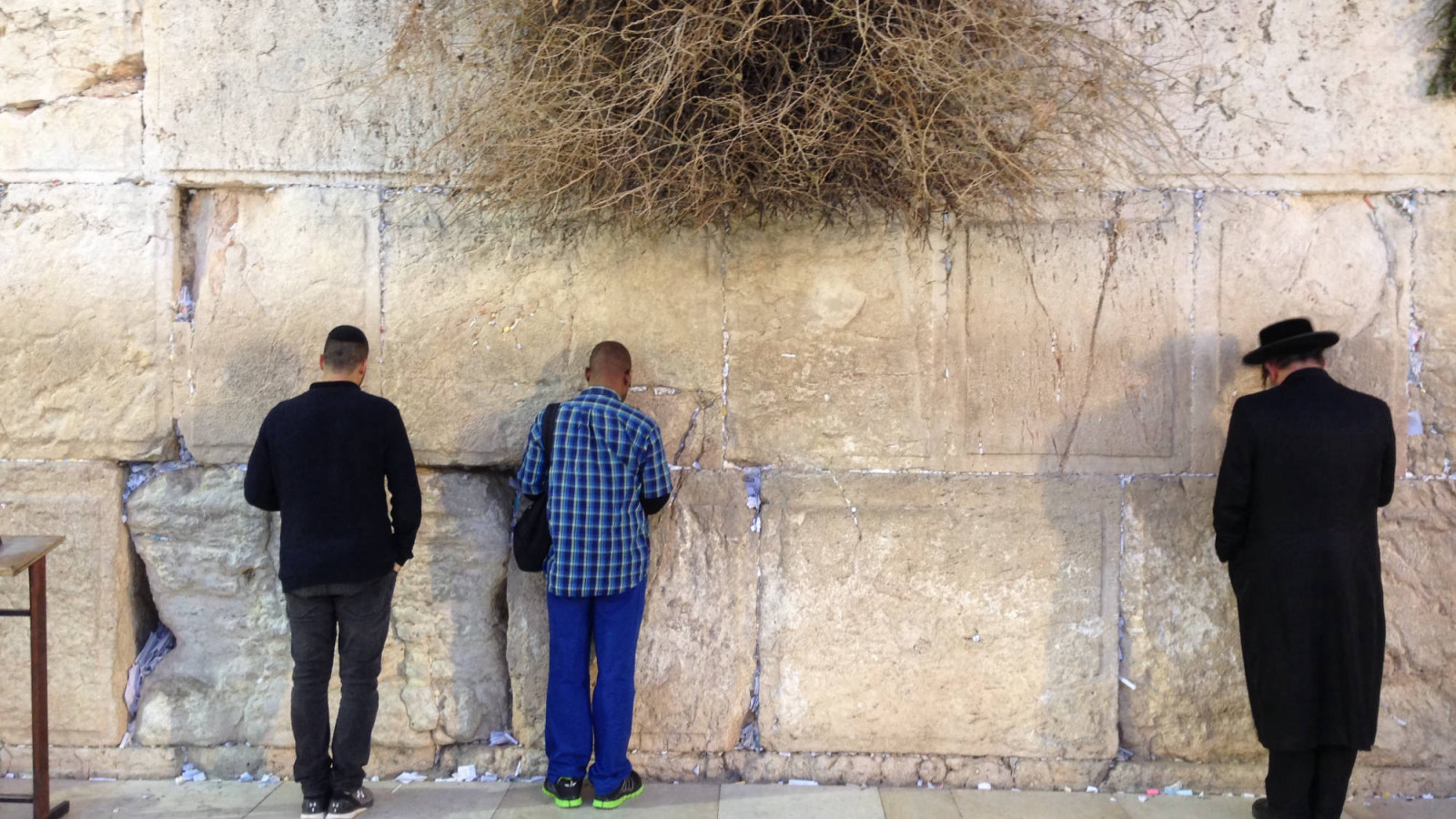
Prayers are offered continually from this location. Tiny slips of waded up paper with personal prayers are pressed into cracks in the stones and left forever. All are welcome to pray at this location in a manner that respects Jewish prayer.
text 1
text 2
text 3
text 2

Originally, the Western Wall was called the "Wailing Wall". The wall was the last remnant left standing following the destruction of Jerusalem in 70 AD. It was a reminder that Jerusalem had been completely razed to the ground save for the western wall to the temple courtyard. The decision to leave it was intentional. The Romans renamed all of the Kingdom of Judea in an all out effort to remove the "memory of the Jewish people" in the Land. The Romans gave the land the name Palestine.

The Herodian (or Early Roman) period—extending from about 50 BC (B.C.E.) to the Roman destruction of Jerusalem in 70 AD (C.E.), includes the time when Jesus is associated with the city. Again, this period is very well documented archaeologically, but estimates of the city’s population at the time of the Roman destruction vary widely. One scholar estimated the number at nearly a quarter million, another at more than a 100,000. Several put the number around 75,000. A number of others estimated between 25,000 and 75,000. Geva, always the population minimalist, estimates the number at 20,000.

The last temple in Jerusalem was Herod's Temple, named after "Herod the Great".
Herod the Great spent lavish sums on his various building projects and generous gifts to other dominions, including Rome itself. His buildings were very large, ambitious projects. Herod was responsible for the construction of the Temple Mount, a portion of which remains today as the Western Wall. In addition, Herod also used the latest technology in hydraulic cement and underwater construction to build the harbor at Caesarea.[36] While Herod's zeal for building transformed Judea, his motives were not selfless. Although he built fortresses (Masada, Herodium, Alexandrium, Hyrcania, and Machaerus) in which he and his family could take refuge in case of insurrection, these vast projects were also intended to gain the support of the Jews and improve his reputation as a leader.[39]

Luke 2:41-52 (ESV)
41 Now his parents went to Jerusalem every year at the Feast of the Passover.
42 And when he was twelve years old, they went up according to custom.
43 And when the feast was ended, as they were returning, the boy Jesus stayed behind in Jerusalem. His parents did not know it,
44 but supposing him to be in the group they went a day’s journey, but then they began to search for him among their relatives and acquaintances,
45 and when they did not find him, they returned to Jerusalem, searching for him.
46 After three days they found him in the temple, sitting among the teachers, listening to them and asking them questions.
47 And all who heard him were amazed at his understanding and his answers.
48 And when his parents saw him, they were astonished. And his mother said to him, “Son, why have you treated us so? Behold, your father and I have been searching for you in great distress.”
49 And he said to them, “Why were you looking for me? Did you not know that I must be in my Father’s house?”
50 And they did not understand the saying that he spoke to them.
51 And he went down with them and came to Nazareth and was submissive to them. And his mother treasured up all these things in her heart.
52 And Jesus increased in wisdom and in stature and in favor with God and man.
The Feast of Sukkot - one of the "happiest days in the heart of Jews"
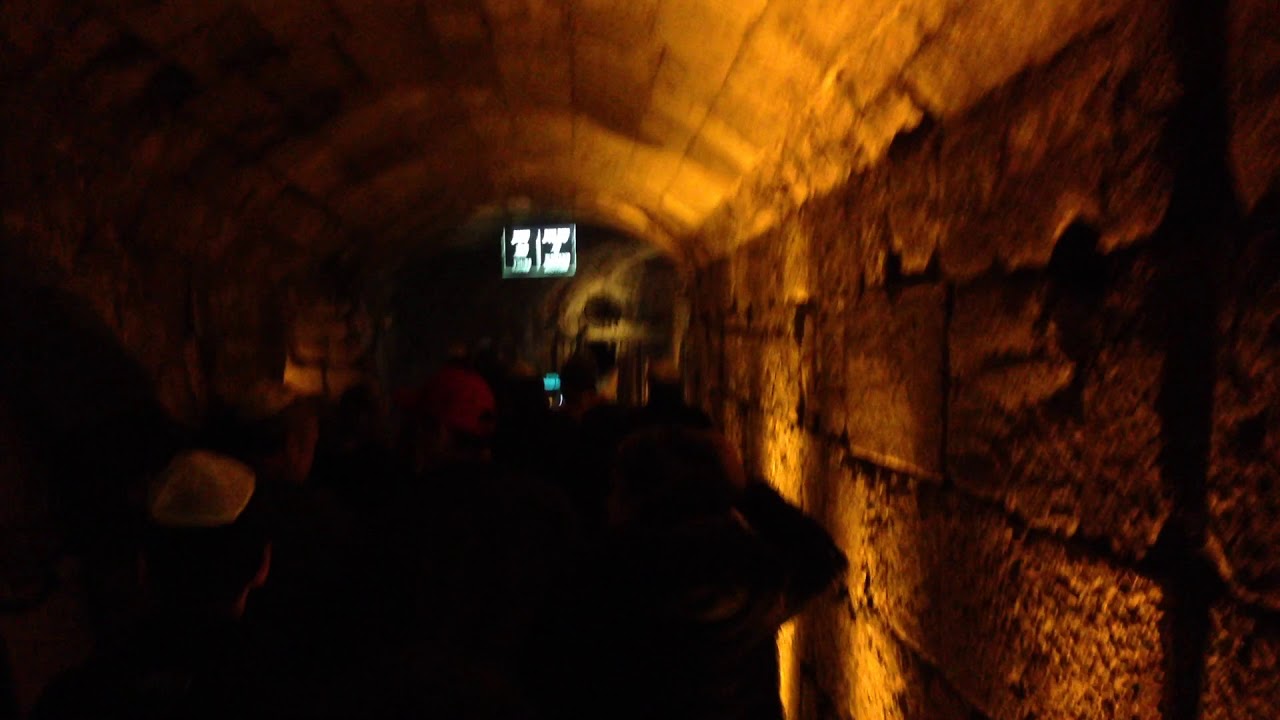
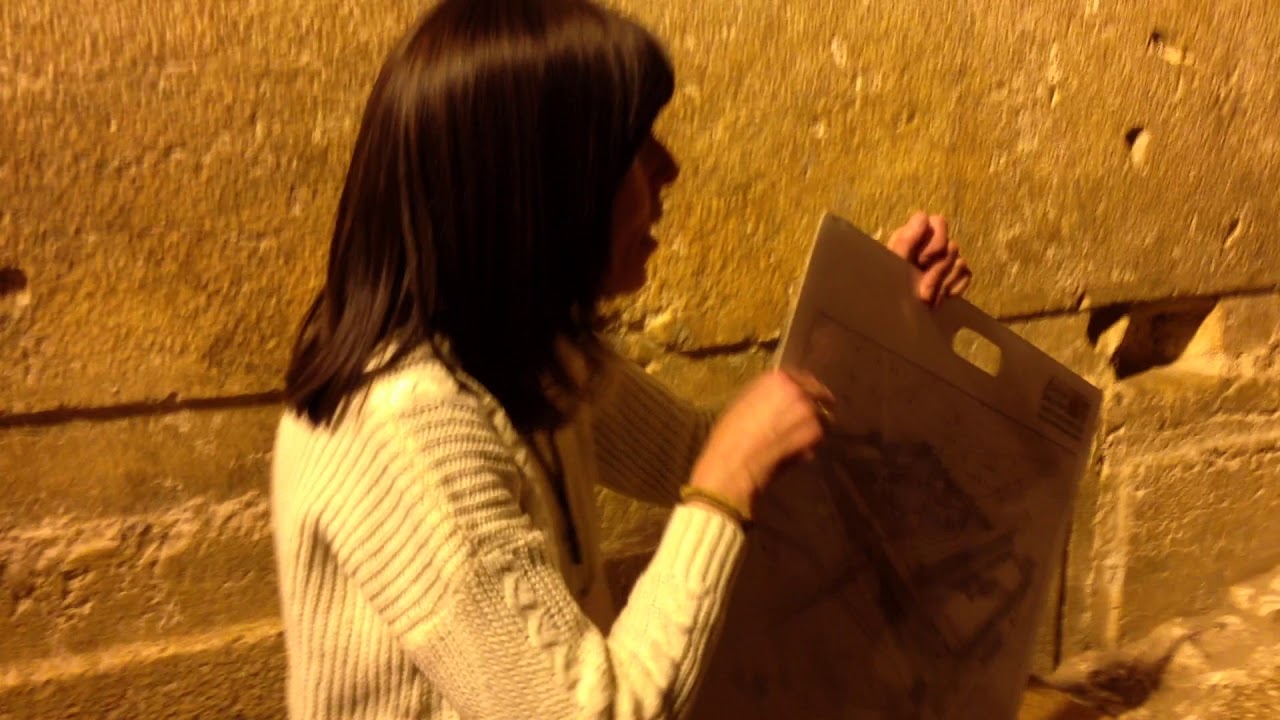
The final feast in the seven feast cycle is Sukkot. This video shows thousands of worshippers at the Western Wall on one of the rare days during the year when cameras are permitted during a holy day. On Friday/Saturday and all major feast days, cameras are prohibited. So, this is a special opportunity to see a major religious observance at the Western Wall.
The video is on youtube. The author is Zahi Shaked, an Israeli tour guide. The date of this video is 8 October 2017, making this the fourth day of Sukkot. You can view the Jewish calendar for this date here.
An Evening of Prayers on the 9th of Av - the "saddest day in Jewish history"
Tisha B'Av (help·info) (Hebrew: תשעה באב or ט׳ באב, "the Ninth of Av,") is an annual fast day in Judaism, named for the ninth day (Tisha) of the month of Av in the Hebrew calendar. The fast commemorates the destruction of both the First Temple and Second Temple in Jerusalem, which occurred about 490 years apart, but on the same Hebrew calendar date. Although primarily meant to commemorate the destruction of the Temples, it is also considered appropriate to commemorate other Jewish tragedies that occurred on this day, most notably the expulsion of the Jews from Spain in 1492. Accordingly, the day has been called the "saddest day in Jewish history". The video is on youtube.
Tisha B'Av falls in July or August in the western calendar. When the ninth of Av falls on Saturday (the Sabbath), the observance is deferred to Sunday the tenth. While the day recalls general tragedies which have befallen the Jewish people over the ages, the day focuses on commemoration of five events: the destruction of the two ancient Temples in Jerusalem, the sin of ten of the twelve scouts sent by Moses, who spoke disparagingly about the Promised Land, the razing of Jerusalem following the siege of Jerusalem in 70 CE, and the failure of Bar Kokhba's revolt against the Roman Empire.
by Dan Bahat
(Jerusalem: Israel Exploration Society, 2013), 432 pp., illust., $104 (hardcover)
Reviewed by Leen Ritmeyer
Download the PDF version