1 When morning came, all the chief priests and the elders of the people took counsel against Jesus to put him to death.
2 And they bound him and led him away and delivered him over to Pilate the governor.
20 Now the chief priests and the elders persuaded the crowd to ask for Barabbas and destroy Jesus.
21 The governor again said to them, “Which of the two do you want me to release for you?” And they said, “Barabbas.”
22 Pilate said to them, “Then what shall I do with Jesus who is called Christ?” They all said, “Let him be crucified!”
23 And he said, “Why, what evil has he done?” But they shouted all the more, “Let him be crucified!”
27:26 Then he released for them Barabbas, and having scourged Jesus, delivered him to be crucified.
57 When it was evening, there came a rich man from Arimathea, named Joseph, who also was a disciple of Jesus.
58 He went to Pilate and asked for the body of Jesus. Then Pilate ordered it to be given to him.
59 And Joseph took the body and wrapped it in a clean linen shroud
60 and laid it in his own new tomb, which he had cut in the rock. And he rolled a great stone to the entrance of the tomb and went away.
61 Mary Magdalene and the other Mary were there, sitting opposite the tomb.
40 So they took the body of Jesus and bound it in linen cloths with the spices, as is the burial custom of the Jews.
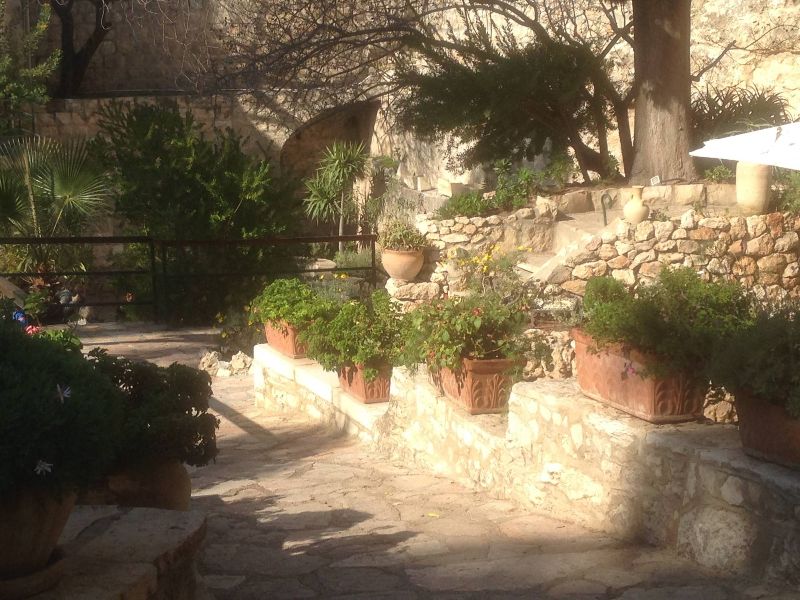
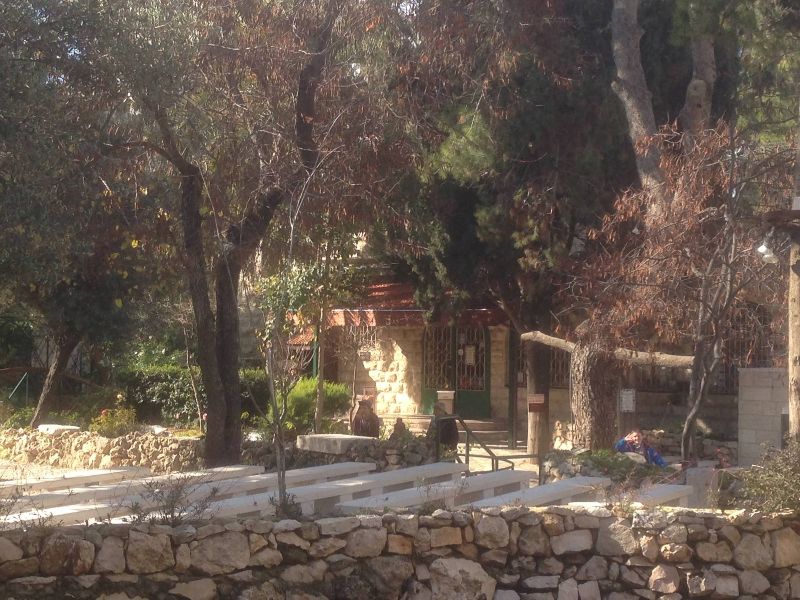
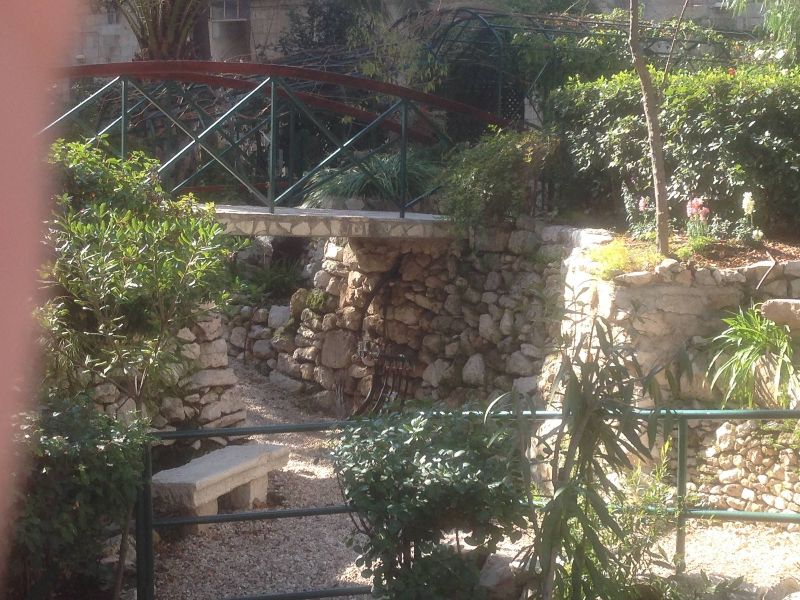
41 Now in the place where he was crucified there was a garden, and in the garden a new tomb in which no one had yet been laid.
42 So because of the Jewish day of Preparation, since the tomb was close at hand, they laid Jesus there.

16 So he delivered him over to them to be crucified. So they took Jesus,
17 and he went out, bearing his own cross, to the place called The Place of a Skull, which in Aramaic is called Golgotha.
18 There they crucified him, and with him two others, one on either side, and Jesus between them.
19 Pilate also wrote an inscription and put it on the cross. It read, “Jesus of Nazareth, the King of the Jews.”
20 Many of the Jews read this inscription, for the place where Jesus was crucified was near the city, and it was written in Aramaic, in Latin, and in Greek.

3 So Peter went out with the other disciple, and they were going toward the tomb.
4 Both of them were running together, but the other disciple outran Peter and reached the tomb first.
5 And stooping to look in, he saw the linen cloths lying there, but he did not go in.
6 Then Simon Peter came, following him, and went into the tomb. He saw the linen cloths lying there,
7 and the face cloth, which had been on Jesus’ head, not lying with the linen cloths but folded up in a place by itself.
8 Then the other disciple, who had reached the tomb first, also went in, and he saw and believed;
9 for as yet they did not understand the Scripture, that he must rise from the dead.
10 Then the disciples went back to their homes.
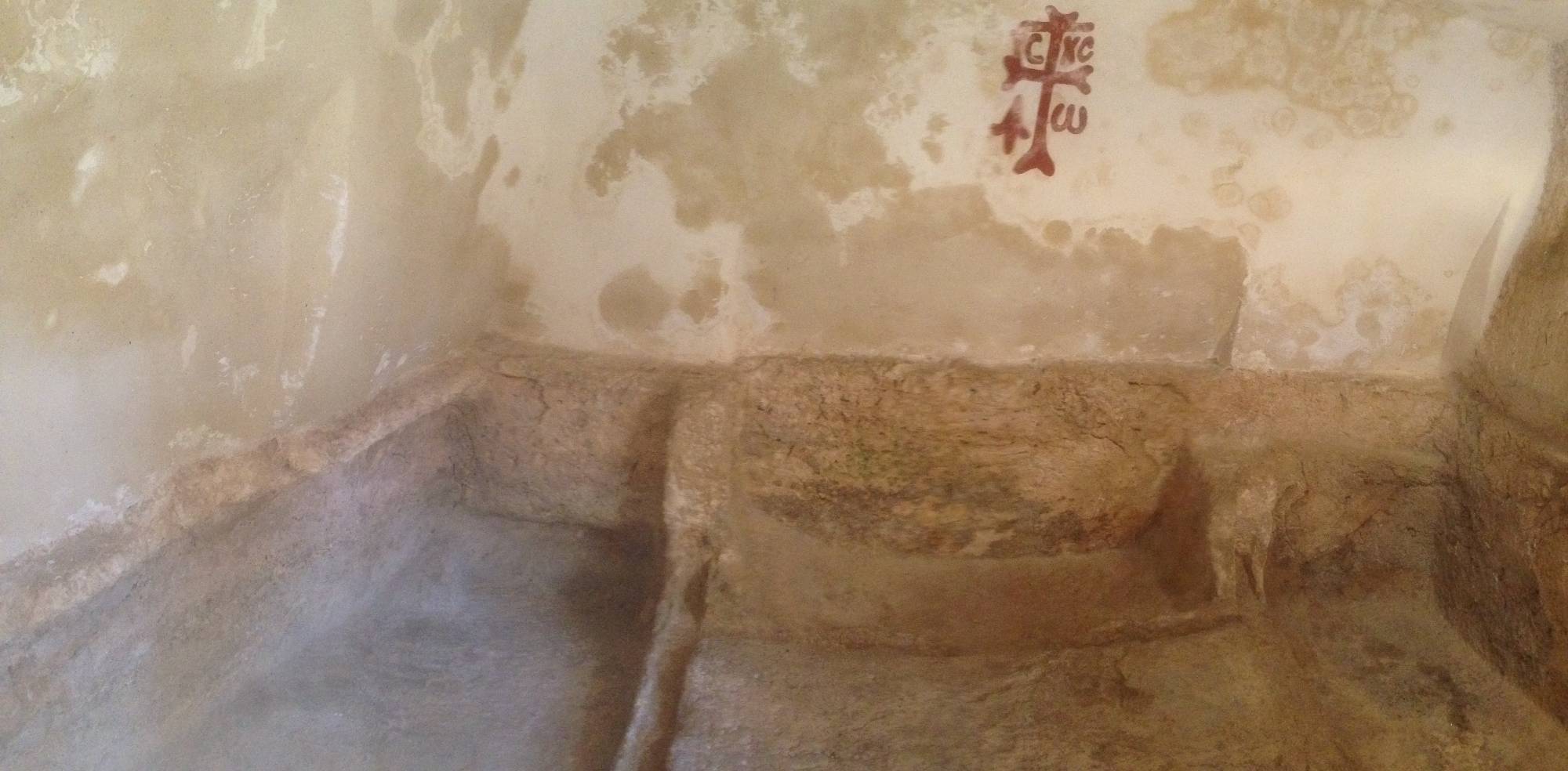
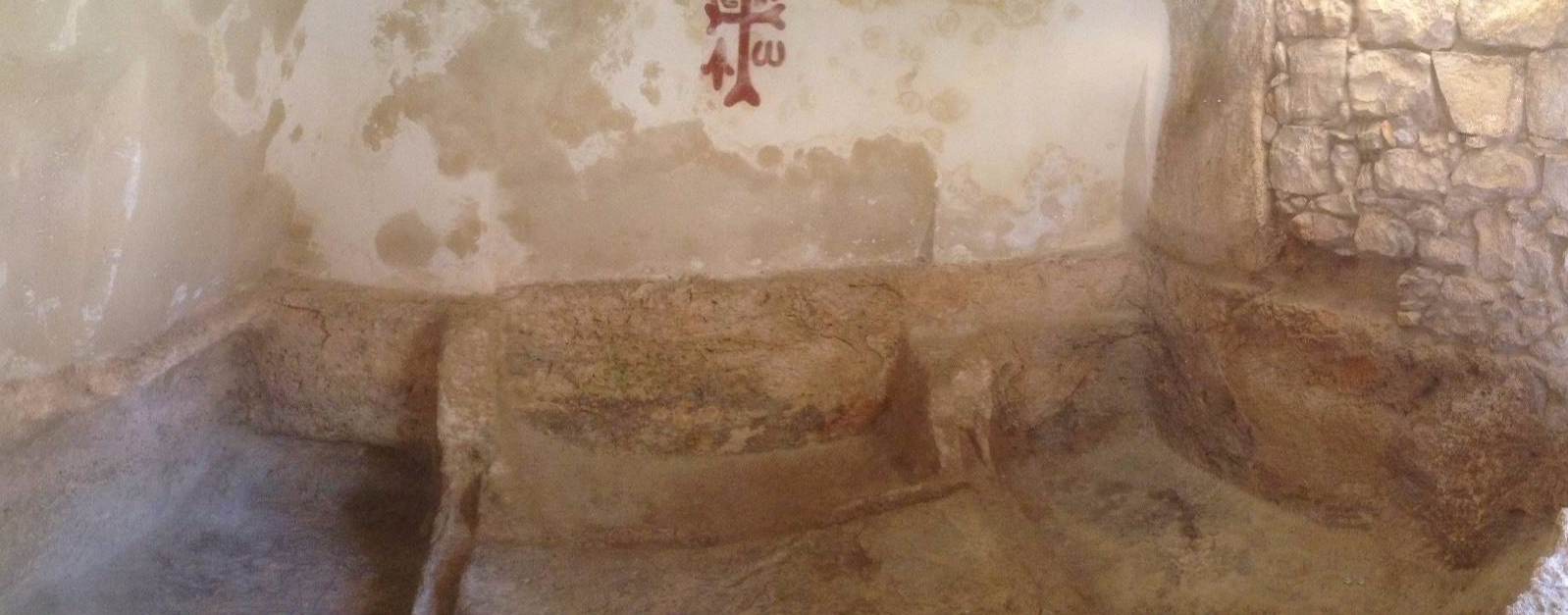
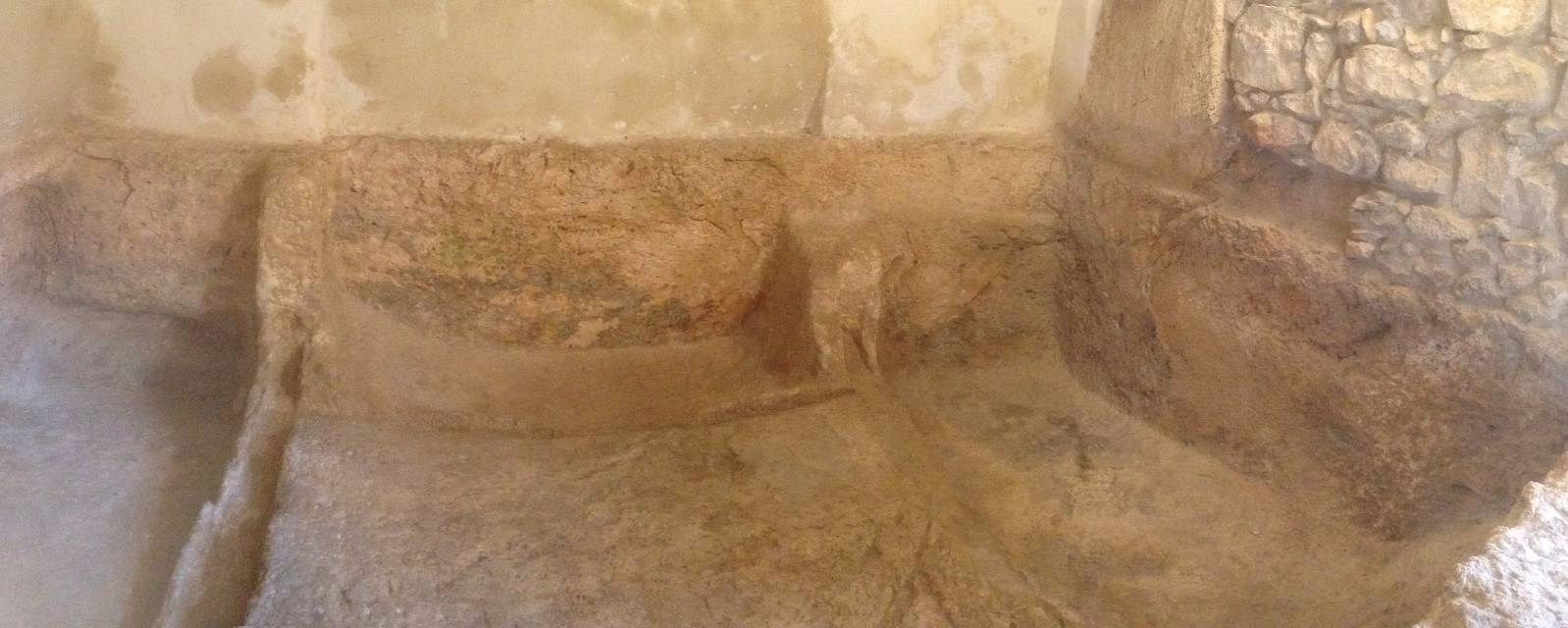
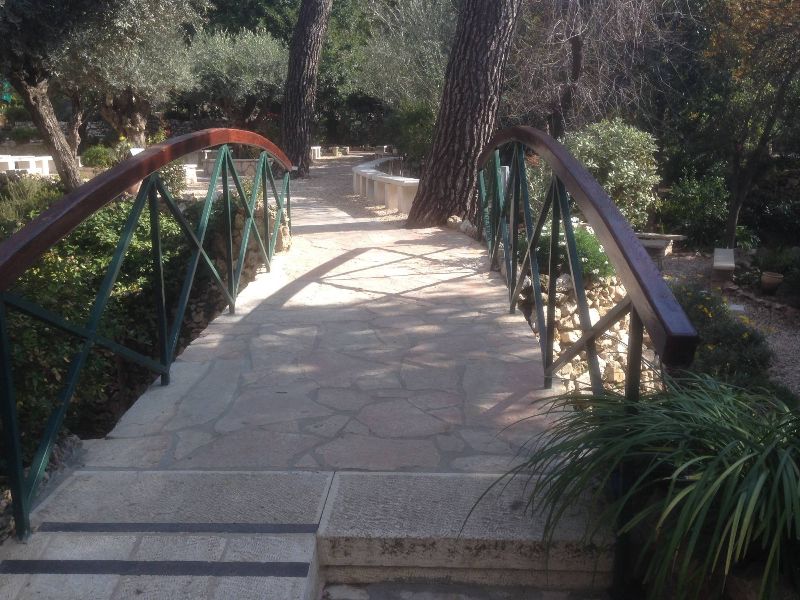
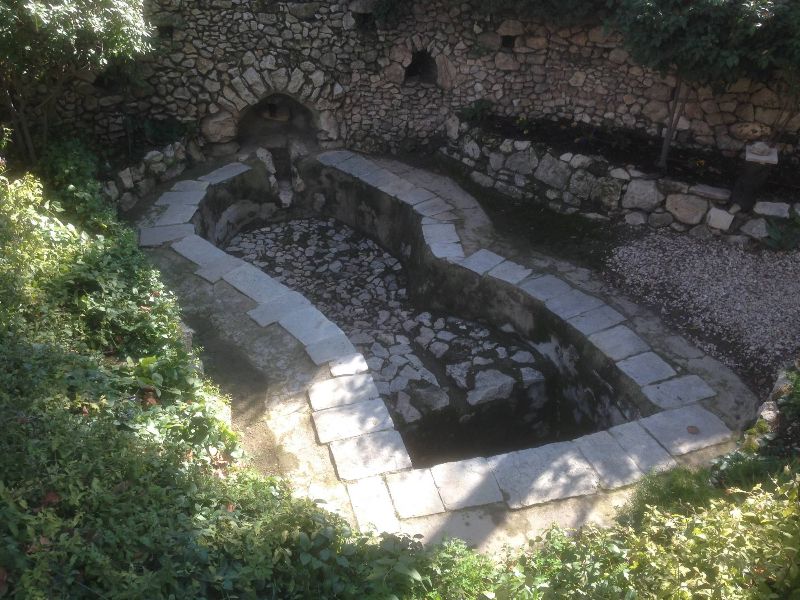
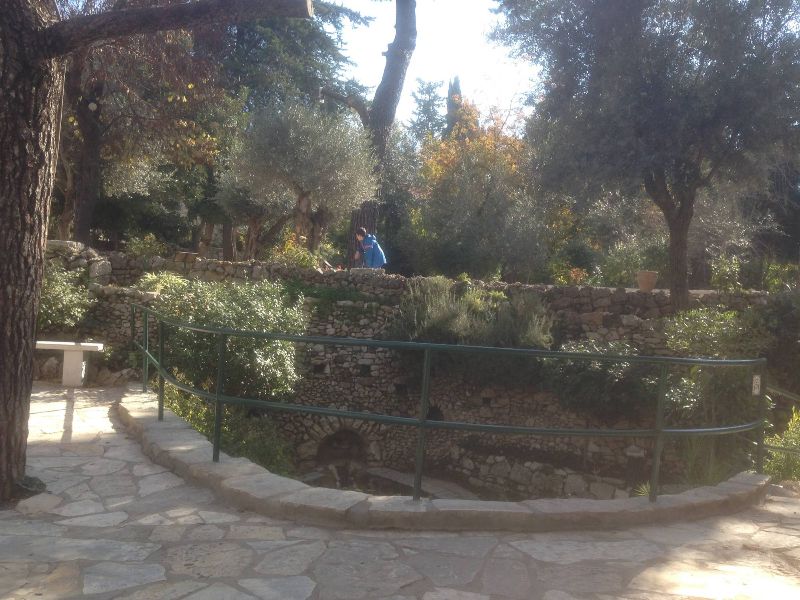
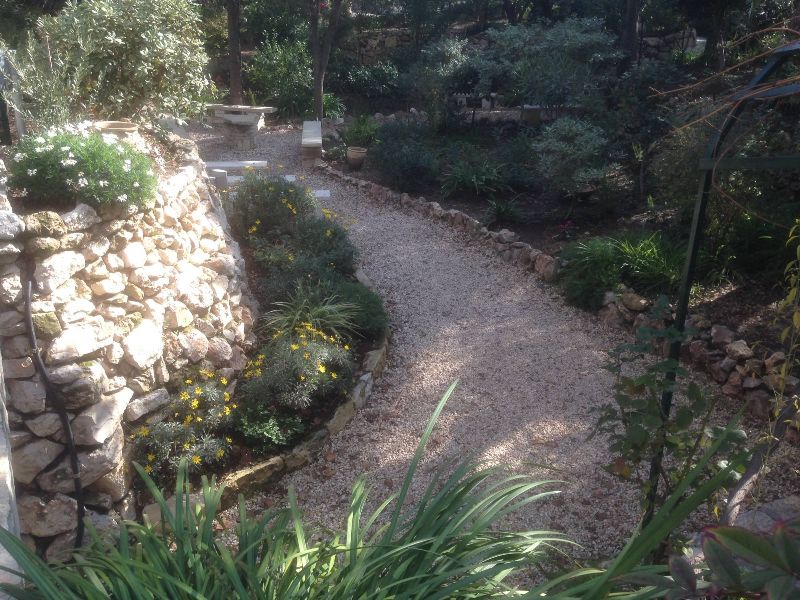
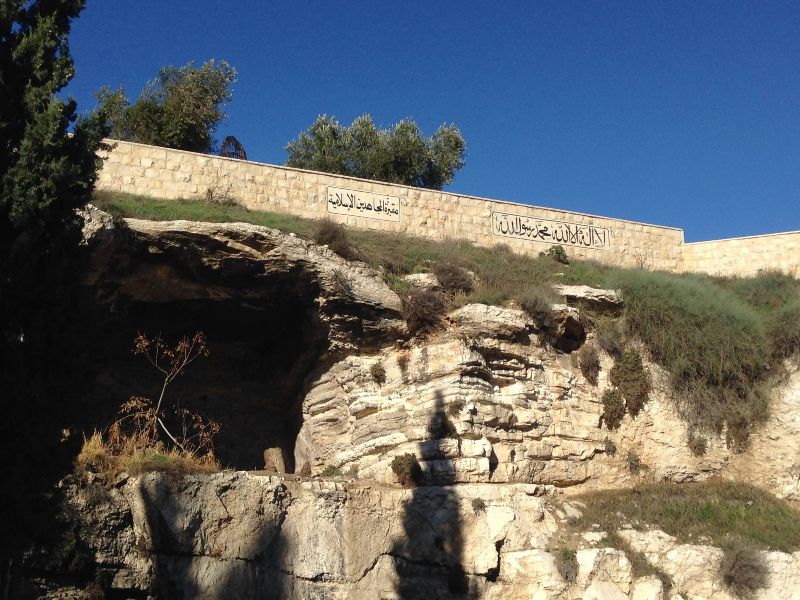
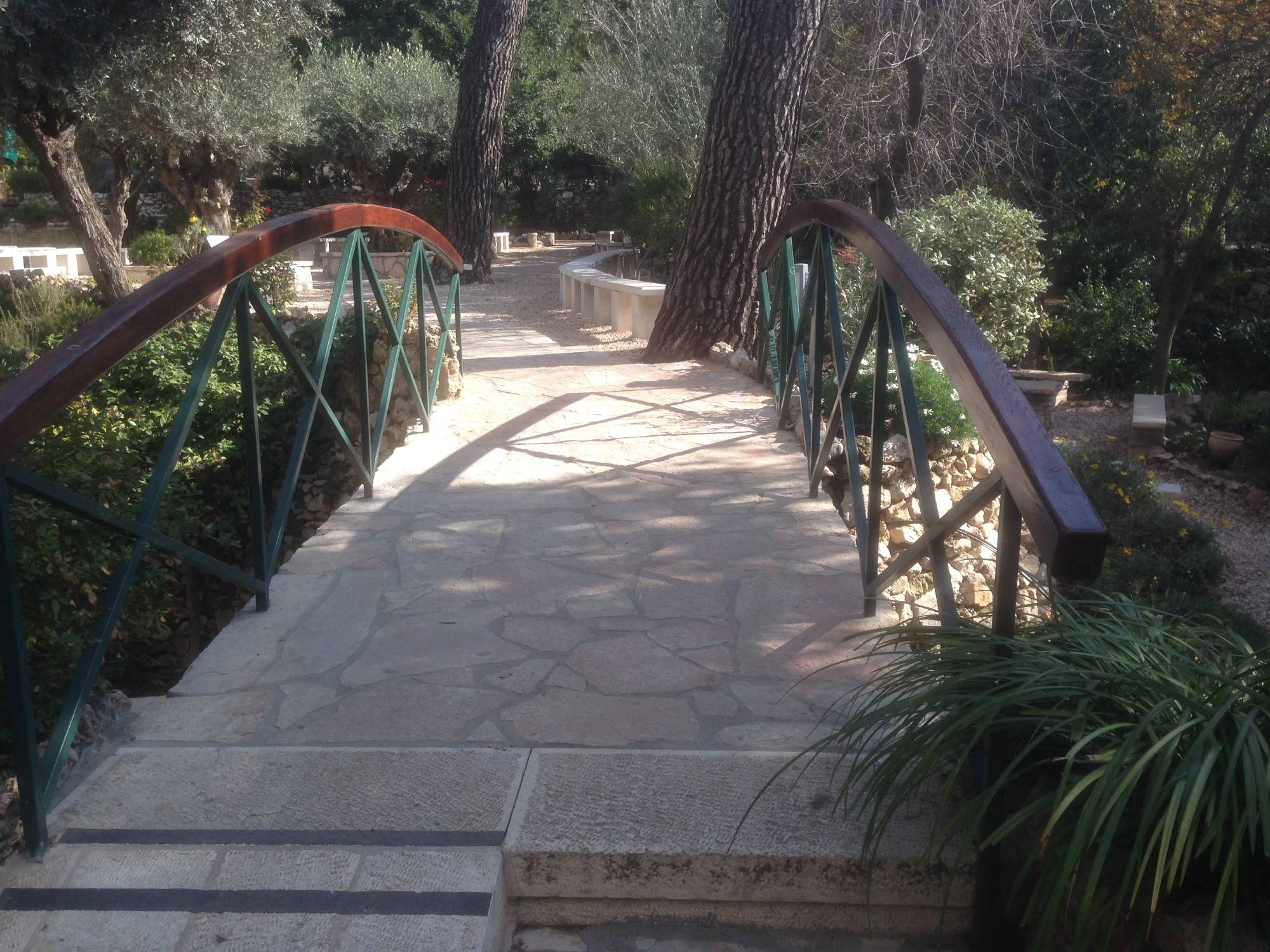
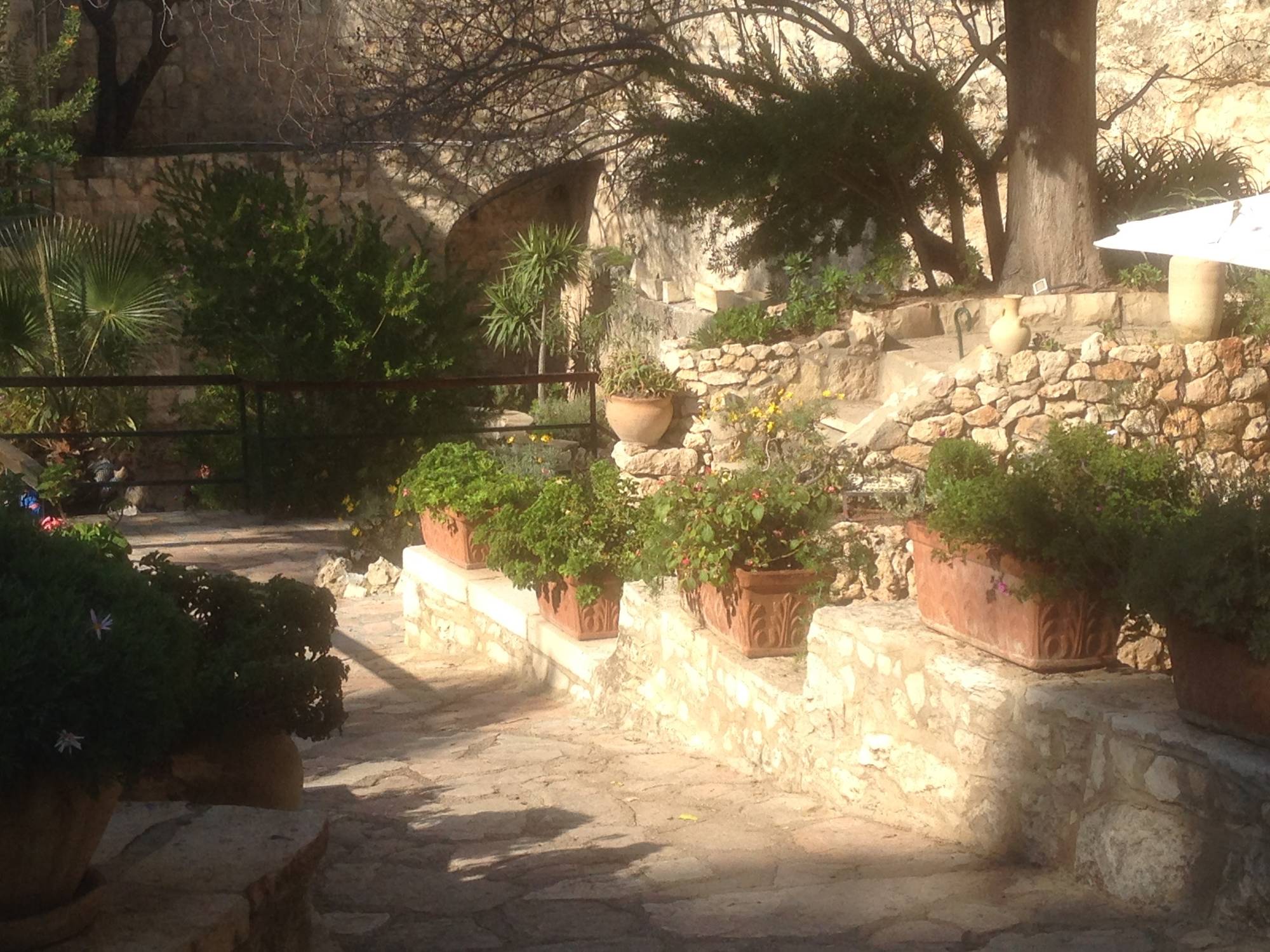
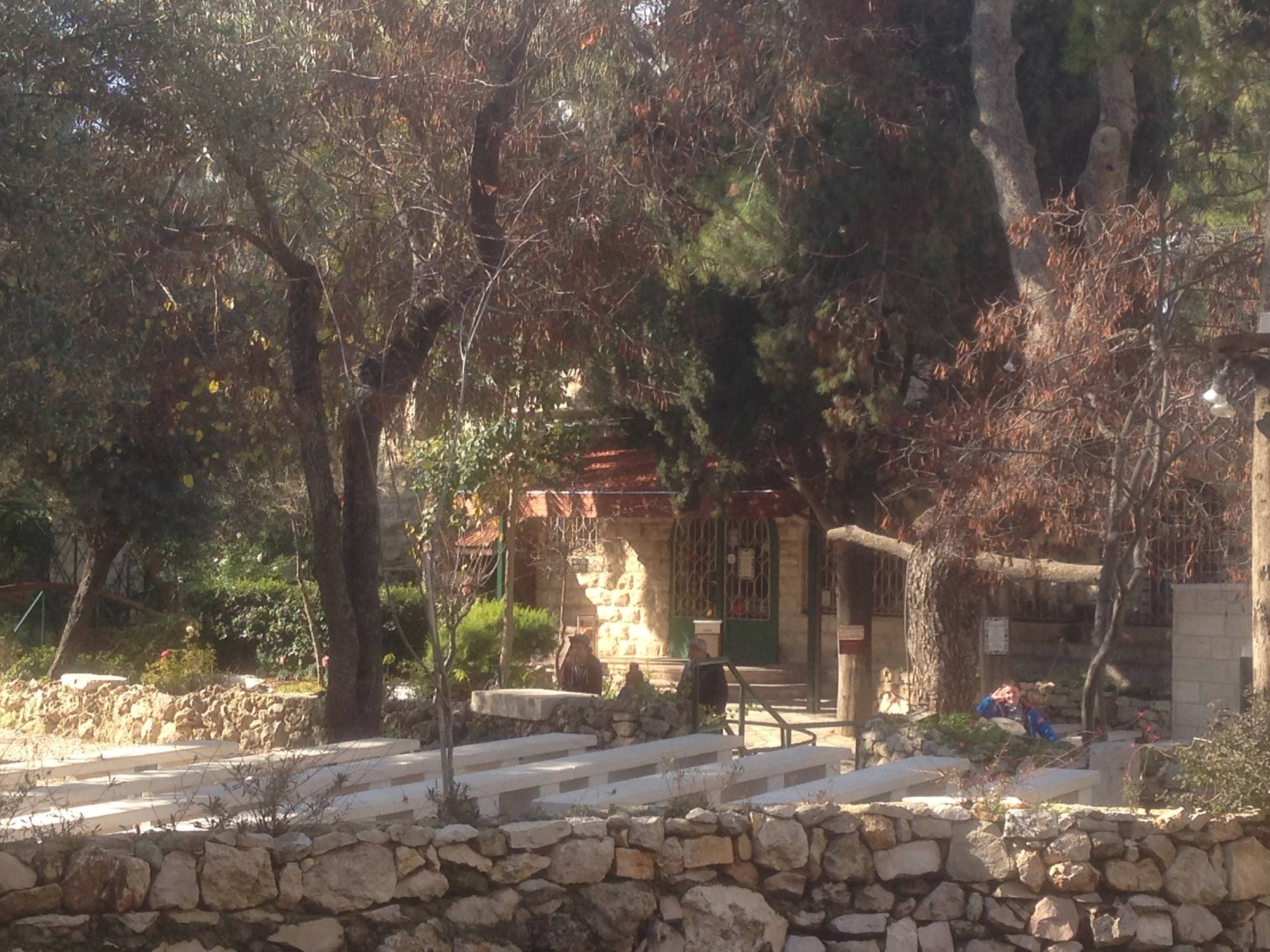
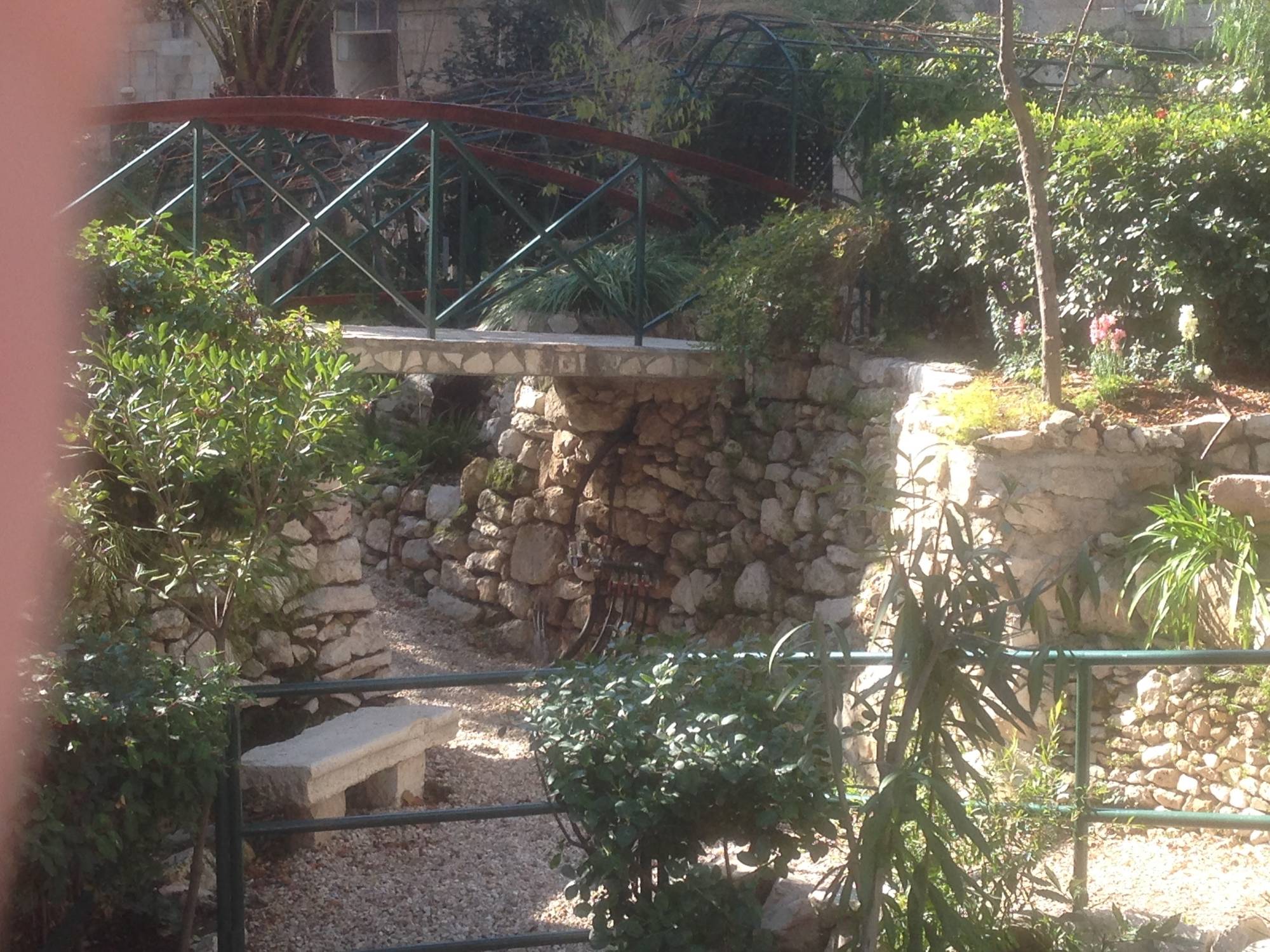
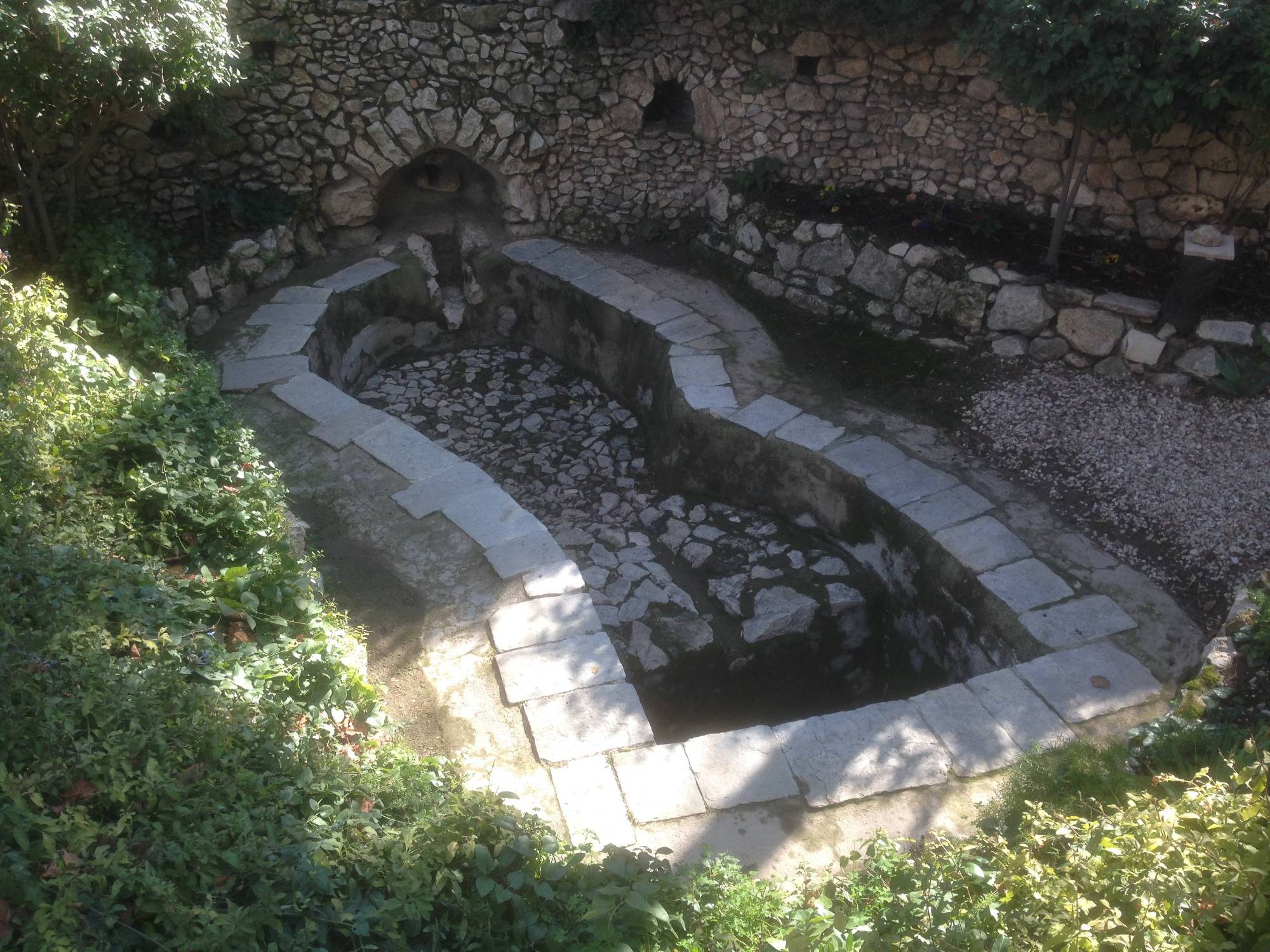
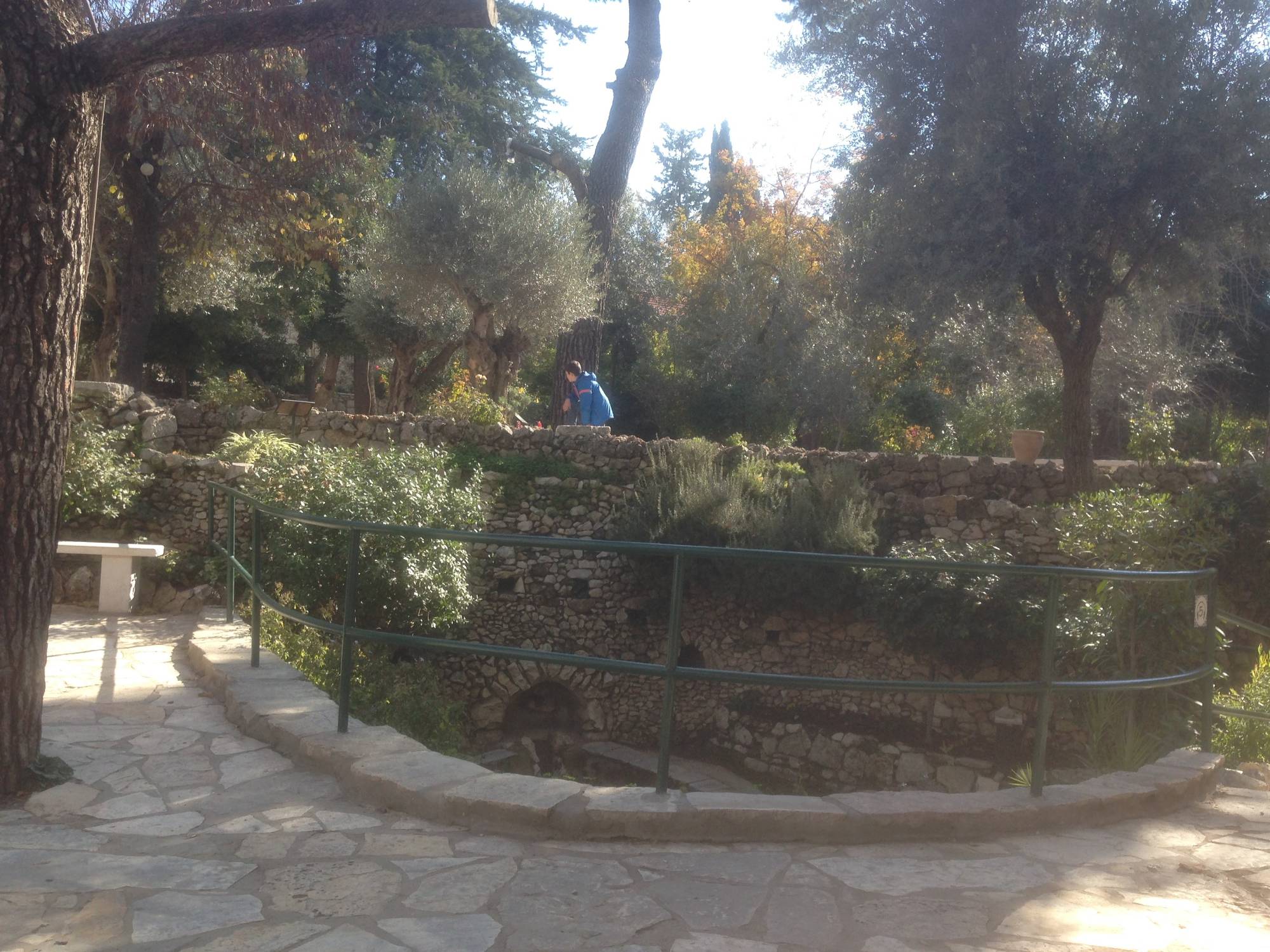
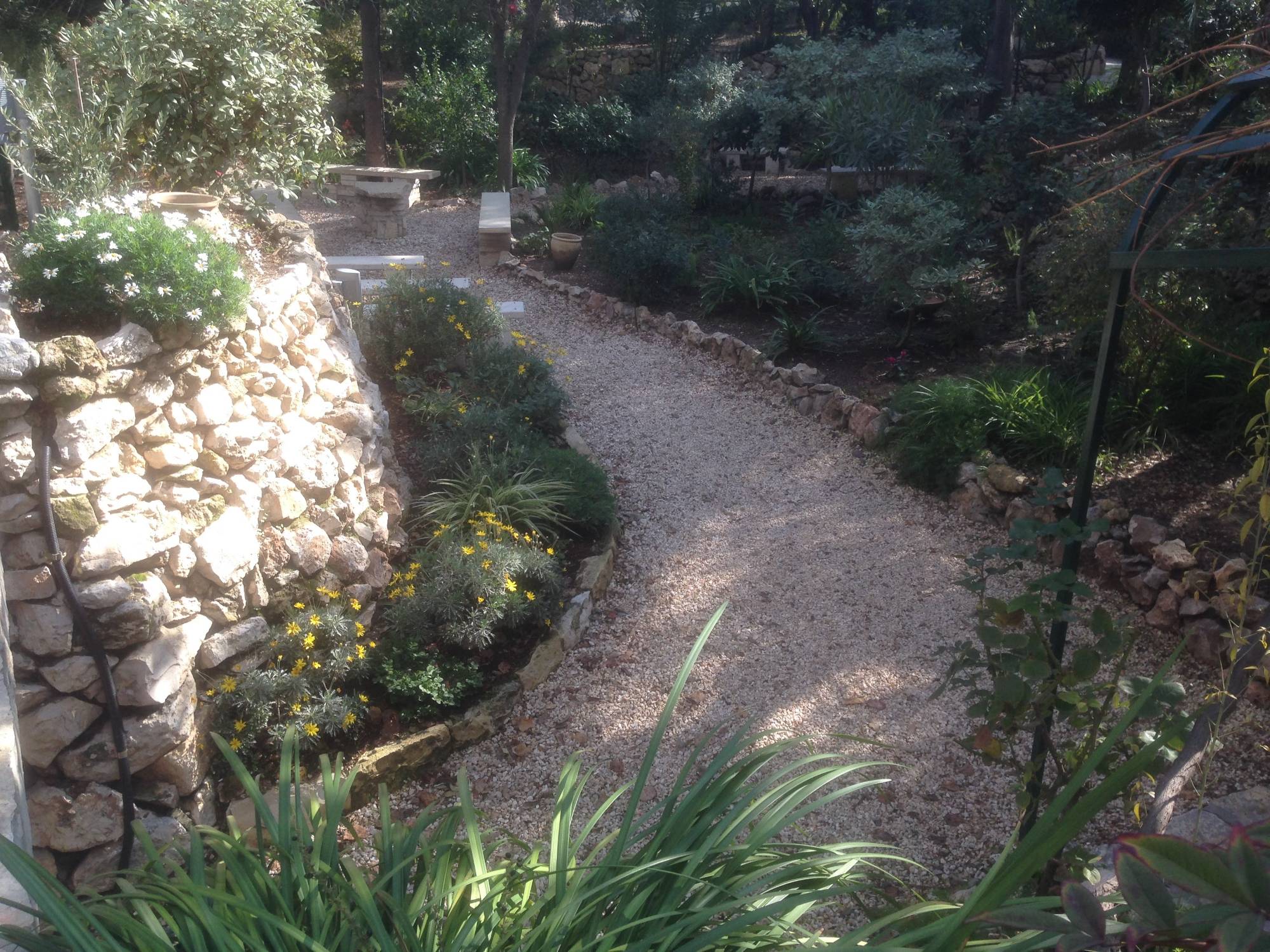
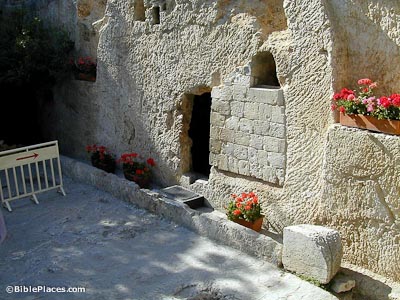
According to the NT accounts, the tomb of Jesus was located in a garden in the place where Jesus was crucified (John 19:41) outside the city walls of Jerusalem (19:20). It was a “new tomb” which had been “cut into the rock” .
Joseph of Arimathea (Matt. 27:60; Luke 23:50-56), who had apparently prepared it for his own family’s use, was well-to-do and had prepared such a tomb in advance because of the difficulty of digging graves in the rocky ground around Jerusalem.
The tomb was large enough for someone to sit inside (Mark 16:5; John 20:11-12) and required that one stoop down to look inside and enter (John 20:5-6,11; Luke 24:12). A great rolling stone sealed the entrance (Matt. 27:60; Mark 15:46; 16:3).
Single stones were used to close the mouth of cisterns, wells, and tombs (Gen. 29:2; Matt. 27:60; John 11:38).
The sequence of events narrated in the Gospel accounts (John 20:5-6) would seem to indicate that Jesus’ tomb had spaces apart from others.

John 11:43-53 (ESV)
43 When he had said these things, he cried out with a loud voice, “Lazarus, come out.”
44 The man who had died came out, his hands and feet bound with linen strips, and his face wrapped with a cloth. Jesus said to them, “Unbind him, and let him go.”
45 Many of the Jews therefore, who had come with Mary and had seen what he did, believed in him,
46 but some of them went to the Pharisees and told them what Jesus had done.
47 So the chief priests and the Pharisees gathered the council and said, “What are we to do? For this man performs many signs.
48 If we let him go on like this, everyone will believe in him, and the Romans will come and take away both our place and our nation.”
49 But one of them, Caiaphas, who was high priest that year, said to them, “You know nothing at all.
50 Nor do you understand that it is better for you that one man should die for the people, not that the whole nation should perish.”
51 He did not say this of his own accord, but being high priest that year he prophesied that Jesus would die for the nation,
52 and not for the nation only, but also to gather into one the children of God who are scattered abroad.
53 So from that day on they made plans to put him to death.
Jesus raised Lazarus from the grave.
This event was reported to the Pharisees who taught about the resurrection of the dead.
The Temple leadership spoke with the Pharisees about the report.
They heard of the many signs Jesus performed and that many were gathering in support of him.
They understood that Jesus represented a serious threat to their control over the people.
They reasoned that if Jesus took over the Temple, the Romans would do away with them.
The Chief Priest, Caiaphas, gave orders to find and kill Jesus and thus save his power.
John 11:54-57 (ESV)
54 Jesus therefore no longer walked openly among the Jews, but went from there to the region near the wilderness, to a town called Ephraim, and there he stayed with the disciples.
55 Now the Passover of the Jews was at hand, and many went up from the country to Jerusalem before the Passover to purify themselves.
56 They were looking for Jesus and saying to one another as they stood in the temple, “What do you think? That he will not come to the feast at all?”
57 Now the chief priests and the Pharisees had given orders that if anyone knew where he was, he should let them know, so that they might arrest him.
Jesus knows of the plan to arrest and kill him.
He avoids arrest for a time.
The Temple leadership expected Jesus to be in Jerusalem for the Passover.
They put out spies to report on Jesus' location as soon as possible.
They needed to find him in order to arrest and execute him.
John 12:9-11 (ESV)
9 When the large crowd of the Jews learned that Jesus was there, they came, not only on account of him but also to see Lazarus, whom he had raised from the dead.
10 So the chief priests made plans to put Lazarus to death as well,
11 because on account of him many of the Jews were going away and believing in Jesus.
Not only were they planning to kill Jesus, they also wanted to kill Lazarus.
They knew that Lazarus testified to Jesus' power.
They knew that Jesus would receive the people's support.
They needed to destroy the evidence and thereby destroy support for Jesus.
John 13:21-26 (ESV)
21 After saying these things, Jesus was troubled in his spirit, and testified, “Truly, truly, I say to you, one of you will betray me.”
22 The disciples looked at one another, uncertain of whom he spoke.
23 One of his disciples, whom Jesus loved, was reclining at table at Jesus’ side,
24 so Simon Peter motioned to him to ask Jesus of whom he was speaking.
25 So that disciple, leaning back against Jesus, said to him, “Lord, who is it?”
26 Jesus answered, “It is he to whom I will give this morsel of bread when I have dipped it.” So when he had dipped the morsel, he gave it to Judas, the son of Simon Iscariot.
Judas was promised a reward for leading the Temple leadership to the place to make the arrest.
Jesus knew the mind and intentions of Judas and announced his betrayal.
Jesus indicated the one who would betray him by a sign.
Judas promptly left the room immediately thereafter.
John 18:1-5 (ESV)
18:1 When Jesus had spoken these words, he went out with his disciples across the brook Kidron, where there was a garden, which he and his disciples entered.
2 Now Judas, who betrayed him, also knew the place, for Jesus often met there with his disciples.
3 So Judas, having procured a band of soldiers and some officers from the chief priests and the Pharisees, went there with lanterns and torches and weapons.
4 Then Jesus, knowing all that would happen to him, came forward and said to them, “Whom do you seek?”
5 They answered him, “Jesus of Nazareth.” Jesus said to them, “I am he.” Judas, who betrayed him, was standing with them.
Jesus and his followers enter the garden where they often gathered together.
Judas knew where to find Jesus.
The temple officers found him exactly where Judas said he would be.
Jesus turned himself over to them.
Judas was present at the arrest.
John 18:12-14,19,24 (ESV)
18:12 So the band of soldiers and their captain and the officers of the Jews arrested Jesus and bound him.
13 First they led him to Annas, for he was the father-in-law of Caiaphas, who was high priest that year.
14 It was Caiaphas who had advised the Jews that it would be expedient that one man should die for the people.
19 The high priest then questioned Jesus about his disciples and his teaching.
24 Annas then sent him bound to Caiaphas the high priest.
Jesus is arrested and bound.
Jesus is taken first to Annas and questioned.
Annas sent him on to Caiaphas.

John 18:28-32 (ESV)
18:28 Then they led Jesus from the house of Caiaphas to the governor’s headquarters. It was early morning. They themselves did not enter the governor’s headquarters, so that they would not be defiled, but could eat the Passover.
29 So Pilate went outside to them and said, “What accusation do you bring against this man?”
30 They answered him, “If this man were not doing evil, we would not have delivered him over to you.”
31 Pilate said to them, “Take him yourselves and judge him by your own law.” The Jews said to him, “It is not lawful for us to put anyone to death.”
32 This was to fulfill the word that Jesus had spoken to show by what kind of death he was going to die.
Jesus is taken to see Pilate at the governor's headquarters.
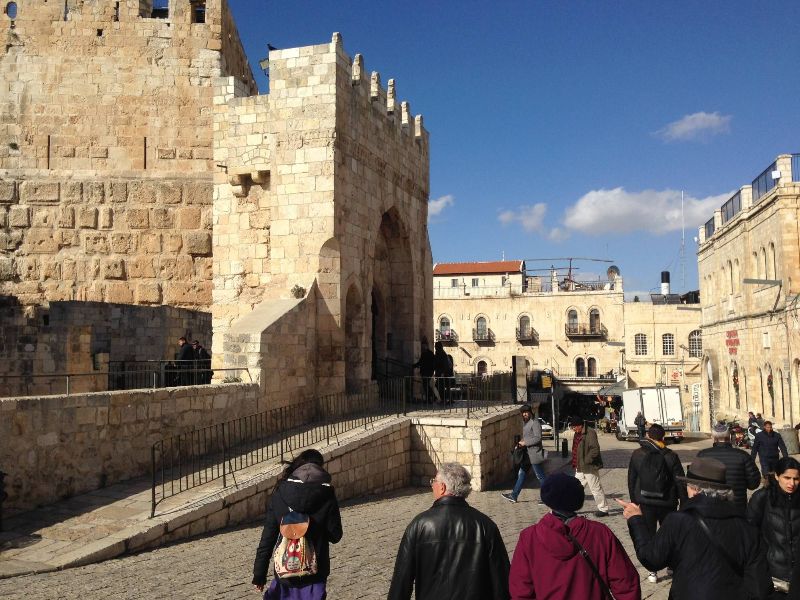
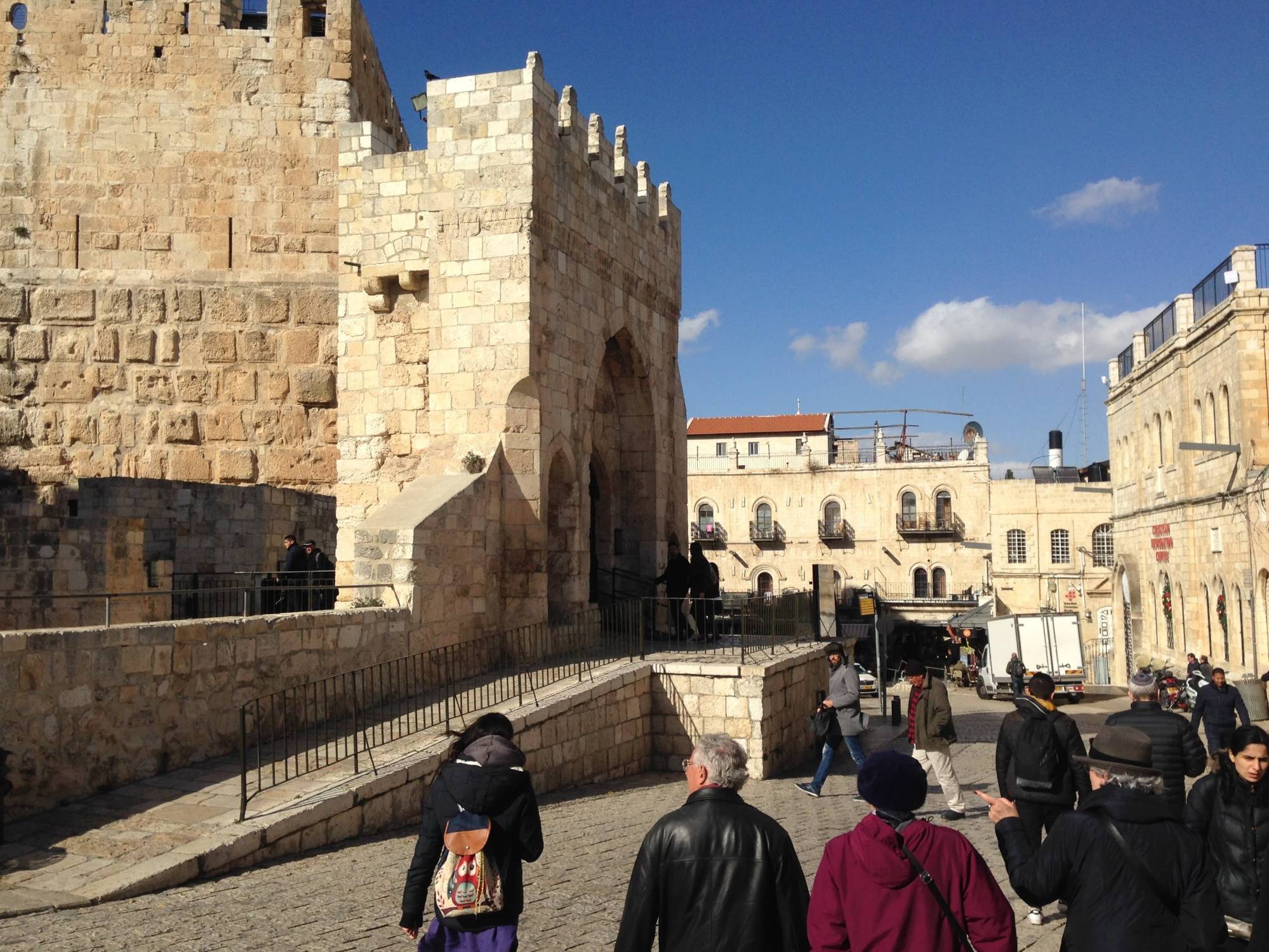
The location of the governor's headquarters is immediately inside the Jaffa Gate.
The Temple leadership accuse him of a civil crime, that of insurrection. They do not have jurisdiction in that case.
They want Pilate to charge him instead.
John 18:37-40 (ESV)
18:37 Then Pilate said to him, “So you are a king?” Jesus answered, “You say that I am a king. For this purpose I was born and for this purpose I have come into the world—to bear witness to the truth. Everyone who is of the truth listens to my voice.”
38 Pilate said to him, “What is truth?” After he had said this, he went back outside to the Jews and told them, “I find no guilt in him.
39 But you have a custom that I should release one man for you at the Passover. So do you want me to release to you the King of the Jews?”
40 They cried out again, “Not this man, but Barabbas!” Now Barabbas was a robber.
Pilate interrogates him on the suspicion of insurrection.
Asks, "Are you the King of the Jews?"
Pilate sees nothing to accuse him for.
Pilate seeks to release him.
They clamor to have another person released, Barabbas.
John 19:12-16 (ESV)
19:12 From then on Pilate sought to release him, but the Jews cried out, “If you release this man, you are not Caesar’s friend. Everyone who makes himself a king opposes Caesar.”
13 So when Pilate heard these words, he brought Jesus out and sat down on the judgment seat at a place called The Stone Pavement, and in Aramaic Gabbatha.
14 Now it was the day of Preparation of the Passover. It was about the sixth hour. He said to the Jews, “Behold your King!”
15 They cried out, “Away with him, away with him, crucify him!” Pilate said to them, “Shall I crucify your King?” The chief priests answered, “We have no king but Caesar.”
16 So he delivered him over to them to be crucified. So they took Jesus,
Pilate seeks to release Jesus for lack of evidence.
The Temple leadership charges Jesus with insurrection against Roman rule.
Knowing his past and their schemes, Pilate hands Jesus over for execution.
John 19:16-20 (ESV)
19:16 So he delivered him over to them to be crucified. So they took Jesus,
17 and he went out, bearing his own cross, to the place called The Place of a Skull, which in Aramaic is called Golgotha.
18 There they crucified him, and with him two others, one on either side, and Jesus between them.
19 Pilate also wrote an inscription and put it on the cross. It read, “Jesus of Nazareth, the King of the Jews.”
20 Many of the Jews read this inscription, for the place where Jesus was crucified was near the city, and it was written in Aramaic, in Latin, and in Greek.
Jesus is lead out of the city and executed in the manner of the Romans.
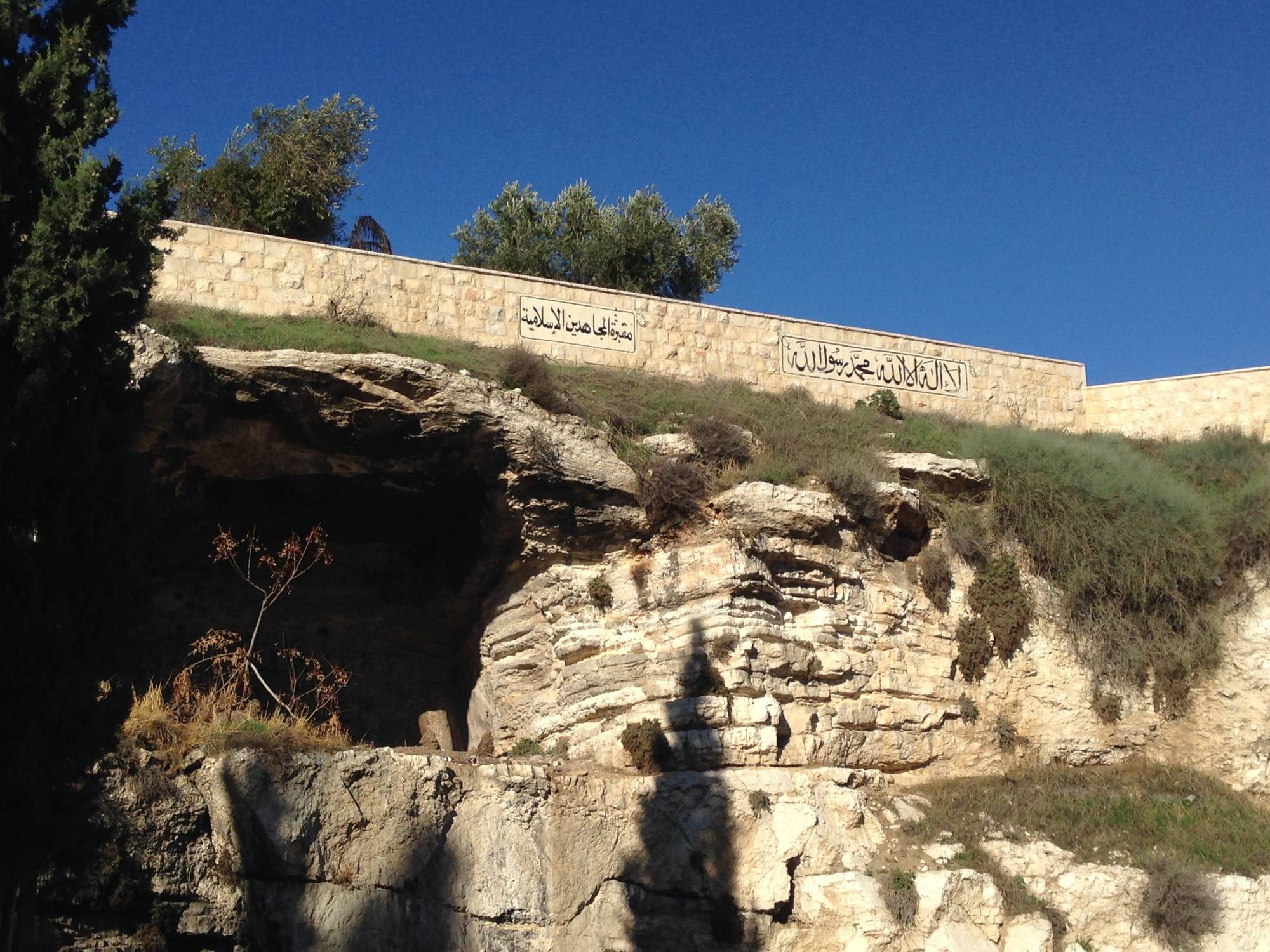
The place outside the city for public executions is called "The Place of the Skull".
Two others were executed with Jesus.
Pilate puts the charge against Jesus on the execution stake. This appears to be an official notice.
Anyone passing by would have read it in their own language.
John 19:38-42 (ESV)
19:38 After these things Joseph of Arimathea, who was a disciple of Jesus, but secretly for fear of the Jews, asked Pilate that he might take away the body of Jesus, and Pilate gave him permission. So he came and took away his body.
39 Nicodemus also, who earlier had come to Jesus by night, came bringing a mixture of myrrh and aloes, about seventy-five pounds in weight.
40 So they took the body of Jesus and bound it in linen cloths with the spices, as is the burial custom of the Jews.
41 Now in the place where he was crucified there was a garden, and in the garden a new tomb in which no one had yet been laid.
42 So because of the Jewish day of Preparation, since the tomb was close at hand, they laid Jesus there.
First-century Judean Tombs
(John 19:41). Joseph of Arimathea's tomb, where Jesus was buried (see Matt 27:57-60), was like other first-century Judean tombs. This drawing is based on sixty-one such "rolling-stone" tombs that have been discovered. These tombs, carved in limestone, were affordable only by wealthy families, and they were constructed according to the laws of Judaism (see Mishnah Baba Batra 6:8). After preparation for burial, bodies were placed in the kokh (niche) which was then sealed with a rolling closure stone. Much later the dried bones were stored in ossuaries (stone boxes) within the tomb.
NLT Study Bible.

Please feel free to send me your questions about the Garden Tomb.
Map of the Garden Tomb Jerusalem
JOHN 11:38-41 (ESV)
38 Then Jesus, deeply moved again, came to the tomb. It was a cave, and a stone lay against it.
39 Jesus said, “Take away the stone.” Martha, the sister of the dead man, said to him, “Lord, by this time there will be an odor, for he has been dead four days.”
40 Jesus said to her, “Did I not tell you that if you believed you would see the glory of God?”
41 So they took away the stone. And Jesus lifted up his eyes and said, “Father, I thank you that you have heard me.
JOHN 20:6-7 (ESV)
6 Then Simon Peter came, following him, and went into the tomb. He saw the linen cloths lying there,
7 and the face cloth, which had been on Jesus’ head, not lying with the linen cloths but folded up in a place by itself.
MARK 15:42-46 (ESV)
42 And when evening had come, since it was the day of Preparation, that is, the day before the Sabbath,
43 Joseph of Arimathea, a respected member of the council, who was also himself looking for the kingdom of God, took courage and went to Pilate and asked for the body of Jesus.
44 Pilate was surprised to hear that he should have already died. And summoning the centurion, he asked him whether he was already dead.
45 And when he learned from the centurion that he was dead, he granted the corpse to Joseph.
46 And Joseph bought a linen shroud, and taking him down, wrapped him in the linen shroud and laid him in a tomb that had been cut out of the rock. And he rolled a stone against the entrance of the tomb.